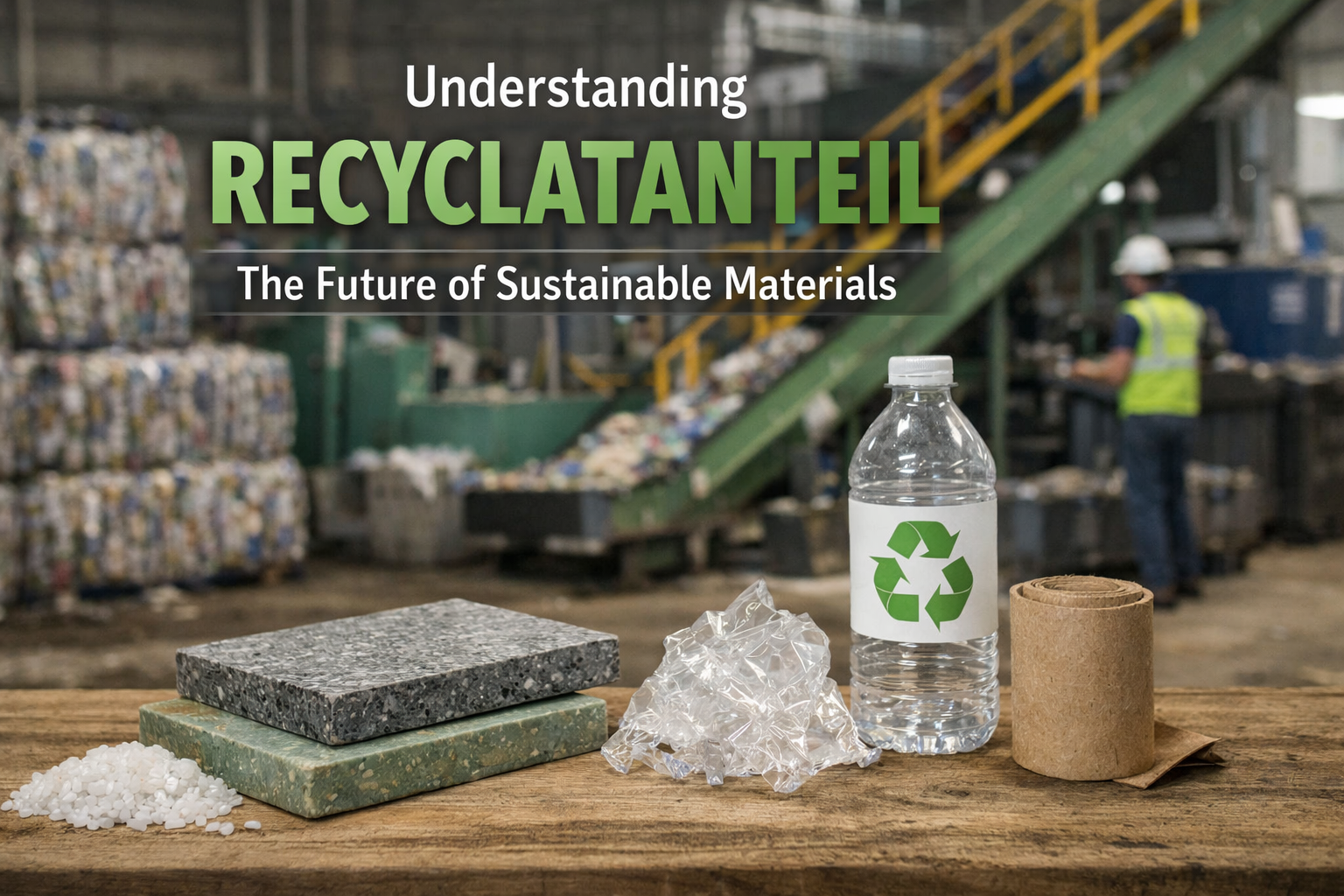
Understanding Recyclatanteil: The Future of Sustainable Materials
As the world grapples with the pressing challenges of climate change and environmental degradation, sustainable practices are becoming more crucial than ever. Among these practices, one term is gaining prominence: Recyclatanteil. This innovative concept represents a significant shift in how we approach material production by integrating recycled content into new products. By understanding Recyclatanteil, businesses can not only reduce their ecological footprint but also appeal to an increasingly eco-conscious consumer base.
Imagine a future where packaging, textiles, and even building materials contain high percentages of recycled materials, this isn’t just wishful thinking; it’s rapidly becoming our reality. The journey toward sustainability is complex, yet it offers immense opportunities for companies willing to adapt and innovate. If you’re curious about what Recyclatanteil means for your business or the environment at large, you’re in the right place! Let’s dive into this essential topic that holds promise for a greener tomorrow.
What is Recyclatanteil?
Recyclatanteil refers to the proportion of recycled materials incorporated into a product or packaging. It highlights how much of a product’s composition comes from reused resources instead of virgin materials. This concept is central to promoting sustainability in manufacturing and consumer goods.
Incorporating Recyclatanteil helps minimize waste and reduces the need for new raw materials, which often require significant energy and resource expenditure to extract and process. By focusing on recycled content, companies can lessen their environmental impact while supporting circular economy principles.
The term is not just about numbers; it represents a commitment to responsible production practices. Consumers are increasingly drawn to products with higher Recyclatanteil because they reflect an awareness of ecological issues.
As brands strive for transparency, understanding Recyclatanteil becomes essential for consumers making informed choices. The more we know about what goes into our products, the better equipped we are to foster sustainable habits in our daily lives.
The Importance of Recyclatanteil in Sustainable Production
Recyclatanteil, or the proportion of recycled materials used in production, plays a crucial role in fostering sustainability. By incorporating more recyclates into manufacturing processes, companies can significantly reduce their reliance on virgin resources. This shift helps to minimize environmental impact and conserves precious natural materials.
Using Recyclatanteil also promotes a circular economy. When products are designed with recyclability in mind, they can be repurposed at the end of their life cycle. This reduces waste and encourages responsible consumption patterns among consumers.
Moreover, businesses that prioritize Recyclatanteil often discover cost-saving opportunities. Sourcing recycled materials is frequently less expensive than extracting raw resources. As demand for sustainable practices grows, companies embracing this approach can gain a competitive edge while contributing positively to the planet.
Focusing on Recyclatanteil enhances brand reputation. Consumers today are increasingly choosing brands that demonstrate commitment to sustainability over those that don’t prioritize eco-friendly practices.
Common Misconceptions about Recyclatanteil
Many people have a limited understanding of Recyclatanteil, leading to misconceptions. One common belief is that it only applies to plastic materials. In reality, Recyclatanteil can be found in various products, including metals and paper. This versatility makes it an essential concept across multiple industries.
Another misconception is that higher Recyclatanteil always means better quality. While incorporating recycled materials can enhance sustainability, the overall product quality depends on several factors, such as processing techniques and original material sources. Simply increasing the percentage may not guarantee superior performance.
Some think that using Recyclatanteil significantly increases production costs. However, many businesses find that integrating recycled content often leads to long-term savings through reduced raw material expenses and improved efficiency in waste management.
There’s a belief that consumers don’t care about Recyclatanteil when choosing products. Recent studies show a growing awareness and preference for sustainable options among shoppers today—making transparency around this topic increasingly crucial for brands looking to connect with eco-conscious audiences.
How to Calculate Recyclatanteil
Calculating Recyclatanteil is straightforward and essential for understanding the sustainability of your materials. Start by identifying the total weight of your product or material. This includes everything from raw ingredients to packaging.
Next, determine how much of that total weight consists of recycled content. This could be post-consumer waste or industrial scrap. It’s crucial to get accurate figures here; inaccurate data can skew your results.
Once you have both numbers, simply divide the weight of the recycled content by the total weight of the product. Multiply this result by 100 to convert it into a percentage representation.
This percentage gives you your Recyclatanteil, showcasing how much sustainable material is utilized in production. Regularly monitoring and updating these calculations can help maintain transparency and improve sustainability efforts over time.
Strategies for Increasing Recyclatanteil in Production Processes
To effectively increase Recyclatanteil in production processes, companies should start by auditing their current materials. Identifying areas where recycled content can be integrated is crucial. This evaluation helps pinpoint specific products that would benefit from incorporating recyclables.
Investing in advanced technologies and equipment designed for recycling can also enhance efficiency. These tools allow manufacturers to process recyclable materials more effectively, ensuring higher quality outputs. Adopting such innovations not only improves the Recyclatanteil but also streamlines operations.
Collaboration with suppliers plays a pivotal role too. By working closely with material providers, businesses can source high-quality recycled inputs tailored to their needs. Building these partnerships fosters a sustainable supply chain while boosting the use of recyclables.
Employee training and engagement are essential components of this strategy. Educating staff about the importance of recycling promotes accountability within teams. When everyone understands their role in increasing Recyclatanteil, it creates a culture centered around sustainability and innovation.
Case Studies: Companies Successfully Implementing Recyclatanteil
Several companies are leading the charge in adopting Recyclatanteil, showcasing its potential for sustainable production. One notable example is Coca-Cola, which has committed to using 50% recycled content in its PET plastic bottles by 2030. This ambitious goal not only reduces waste but also encourages other brands to follow suit.
Another pioneering company is Unilever. They have integrated a minimum of 25% recycled plastic into their packaging across many product lines. By doing so, they’ve set a standard for consumer goods and demonstrated that sustainability can go hand-in-hand with profitability.
Adidas has taken a unique approach by producing shoes made from ocean plastic and committing to increasing the use of recycled materials across all products. Their efforts highlight how innovation can drive sustainability while appealing to environmentally conscious consumers.
These examples illustrate that implementing Recyclatanteil isn’t just good for the planet; it’s becoming essential for brand reputation and customer loyalty as well.
Conclusion: The Future of Sustainable Production with Recyclatanteil
The future of sustainable production is increasingly intertwined with the concept of Recyclatanteil. As companies and consumers alike become more aware of environmental impacts, there’s a growing push for materials that prioritize sustainability. Embracing Recyclatanteil not only reduces waste but also conserves resources, creating a circular economy where materials are continually reused.
Innovative practices in manufacturing are paving the way for higher recycling rates and better resource management. By integrating recycled content into products, businesses can significantly lessen their ecological footprint while also appealing to eco-conscious consumers.
The trend towards sustainability isn’t merely a passing phase; it’s becoming vital for brand reputation and market competitiveness. Companies adopting Recyclatanteil stand to benefit from improved customer loyalty and potential cost savings in material sourcing.
It’s evident that understanding and implementing Recyclatanteil will play a crucial role in shaping future industries. As technology advances and public awareness grows, we can expect even greater integration of these sustainable practices across various sectors. The journey toward greener production methods has begun—each step taken today lays down the groundwork for tomorrow’s innovations in sustainability.