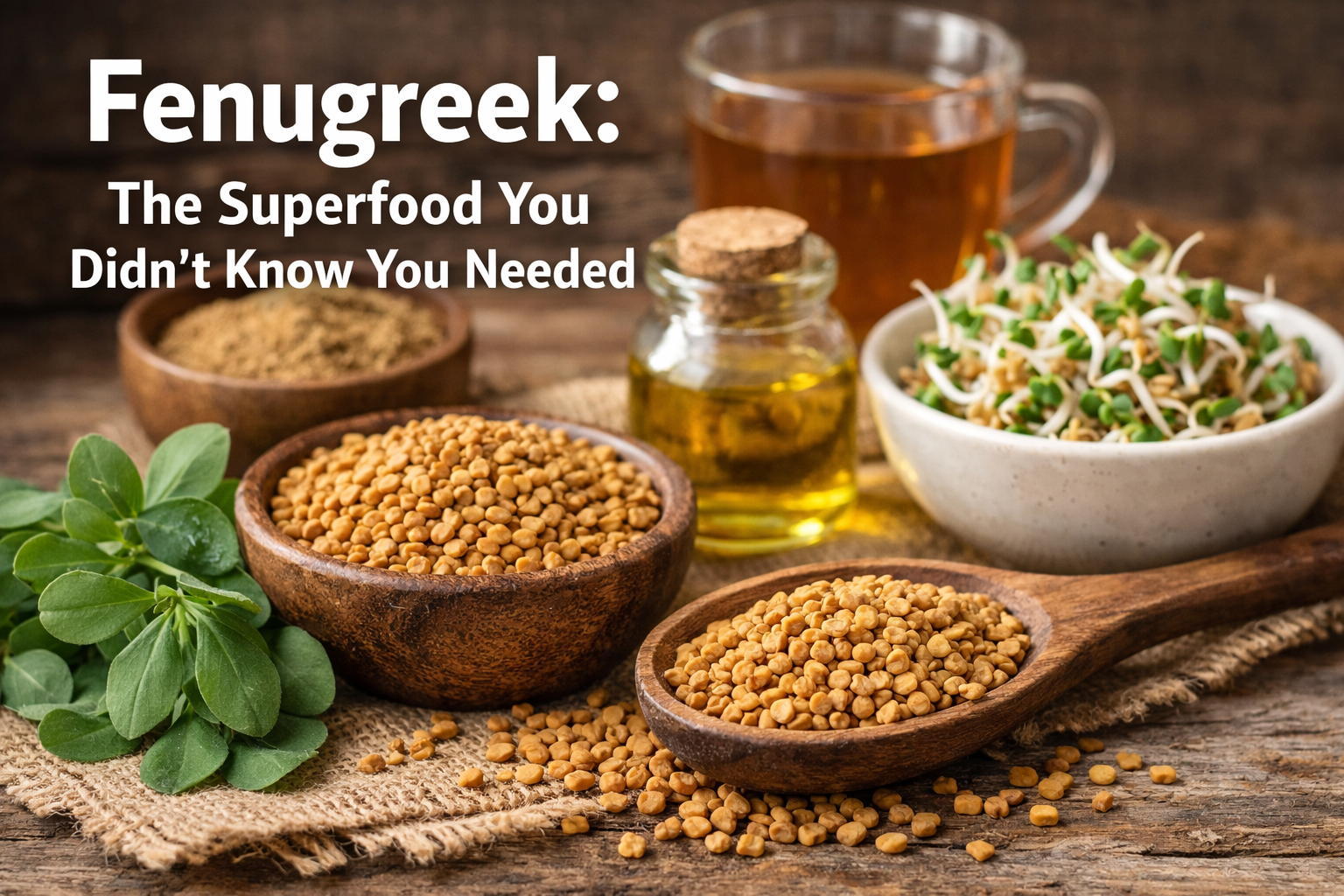
Fenugreek: The Superfood You Didn’t Know You Needed
Fenugreek might not be the first superfood that comes to mind, but this humble herb packs a powerful punch. With a rich history spanning thousands of years, it has been cherished in kitchens and traditional medicine alike. From enhancing flavors in your favorite dishes to offering health benefits you never knew you needed, fenugreek is truly versatile. Let’s dive into what makes this little seed such an exceptional addition to your pantry and wellness routine!
History and Etymology
Fenugreek, scientifically known as Trigonella foenum-graecum, has a history that dates back to ancient civilizations. Originally cultivated in the Mediterranean region, it was prized by Egyptians for its medicinal properties and culinary uses. Its name derives from Latin “foenum” meaning hay and “graecum” for Greek, reflecting its widespread use across cultures.
Throughout history, fenugreek has been found in various texts—from Ayurvedic scriptures to Roman writings—highlighting its significance in traditional medicine and cuisine. Today, this herb continues to be celebrated worldwide for both flavor enhancement and health benefits.
Production and Research
Fenugreek is cultivated primarily in regions like India, North Africa, and parts of the Mediterranean. Its seeds are harvested for culinary and medicinal uses. With a growing interest in superfoods, fenugreek has gained traction among researchers exploring its numerous health benefits.
Studies have looked into its potential effects on blood sugar levels and hormone regulation. As more research emerges, scientists continue to investigate fenugreek’s bioactive compounds such as saponins and alkaloids. This ongoing exploration highlights the importance of this ancient herb in modern wellness practices.
Traditional Use in Medicine
Fenugreek has a rich history in traditional medicine, particularly within Ayurvedic and ancient Egyptian practices. It was used to treat various ailments, such as digestive issues, respiratory conditions, and skin disorders. The seeds have been prized for their anti-inflammatory properties.
Traditional healers often brewed fenugreek into teas or created poultices to harness its healing potential. Its ability to stimulate appetite and aid digestion made it a staple remedy across cultures. Today, many still turn to these time-honored techniques while exploring modern applications of this versatile herb.
Adverse Effects and Allergies
While fenugreek offers numerous benefits, some individuals may experience adverse effects. Common issues include gastrointestinal discomfort, such as bloating or diarrhea. These symptoms are usually mild but can be bothersome for some users.
Allergic reactions to fenugreek are rare but possible. Symptoms might include skin rashes, swelling, or even difficulty breathing in severe cases. If you have a history of allergies to other legumes or plants in the Fabaceae family, it’s wise to exercise caution and consult with a healthcare professional before incorporating fenugreek into your diet.
Nutritional Profile and Cooking
Fenugreek is packed with essential nutrients. It contains protein, fiber, and a variety of vitamins and minerals like iron, magnesium, and vitamin B6. Just a small serving can provide significant health benefits while enhancing your meals.
In cooking, fenugreek seeds have a slightly bitter taste that mellows when cooked. They are often used in Indian curries and spice blends but can also add depth to soups or stews. Fresh fenugreek leaves make an excellent addition to salads or as a garnish for dishes, offering both flavor and nutrition.
Benefits of Fenugreek
Fenugreek is a powerhouse of potential health benefits. Rich in fiber, it may aid digestion and promote gut health. Its seeds have been linked to improved blood sugar control, making them particularly beneficial for those with diabetes.
Additionally, fenugreek is known for its hormone-balancing properties. Women often use it to alleviate menstrual discomfort and support lactation during breastfeeding. The anti-inflammatory and antioxidant compounds found in fenugreek can also contribute to overall wellness, helping the body fight off oxidative stress and inflammation effectively.
Safety Concerns and Side Effects
While fenugreek is generally safe for most people, it can cause side effects in some cases. Common issues include gastrointestinal discomfort like bloating, gas, and diarrhea. These reactions usually occur with excessive consumption.
People with allergies to legumes may also react negatively to fenugreek. Pregnant women should consult their healthcare provider before using it since high doses could affect uterine contractions. Always start with small amounts to assess tolerance before incorporating this superfood into your routine fully.
How to Use Fenugreek
Fenugreek can be incorporated into your diet in various ways. You can use the seeds whole, ground into powder, or as a supplement. Adding them to curries, stews, and soups enhances flavor while providing health benefits.
For those new to fenugreek, consider steeping the seeds in hot water for tea. Alternatively, sprinkle the powder on salads or mix it into smoothies for an extra nutritional boost. Its versatility makes it easy to include in daily meals without much effort at all.
Fenugreek in Different Forms
Fenugreek is versatile and can be found in various forms, each catering to different culinary needs. The most common are seeds, which have a slightly bitter taste and work beautifully in spice blends or as a seasoning for curries.
Additionally, fenugreek leaves add a fresh flavor to salads and dishes. You can also find fenugreek powder, often used in baking or smoothies. For those looking for convenience, supplements like capsules or extracts offer an easy way to incorporate this superfood into your daily routine without altering recipes.
Related Studies and Research
Recent studies on fenugreek have highlighted its potential benefits for various health conditions. Research has shown that it may help regulate blood sugar levels in diabetics and improve cholesterol profiles, making it a valuable addition to heart-healthy diets.
Other investigations suggest that fenugreek could aid in digestive health and even enhance breast milk production in nursing mothers. The diversity of these findings underscores the need for further exploration into this superfood’s applications and efficacy, paving the way for new possibilities in natural wellness solutions.
User Reviews and Recommendations (/social media)
Fenugreek has gained a loyal following on social media, with users sharing their experiences and creative ways to incorporate it into their diets. Many rave about its potential benefits for digestion and energy levels, often posting recipes that include fenugreek seeds or powder.
Instagram and TikTok are flooded with meal prep ideas featuring this superfood, showcasing everything from smoothies to curries. Users appreciate its unique flavor profile while praising how easy it is to add to everyday meals. Recommendations pour in as more people discover the wonders of fenugreek.
Conclusion and Takeaway
Fenugreek is more than just a culinary herb; it’s a powerhouse of nutrients and benefits. Its rich history spans centuries, making it a staple in traditional medicine across cultures. With its potential to aid digestion, balance blood sugar levels, and enhance milk production in breastfeeding mothers, fenugreek has earned its spot as a superfood.
Despite some risks of allergies and side effects for certain individuals, most people can enjoy the numerous advantages this herb offers when used properly. From cooking with seeds to enjoying extracts or supplements, there are plenty of ways to incorporate fenugreek into your daily routine.
As research continues to explore its health benefits further, more people are discovering how beneficial fenugreek can be. Whether you’re looking for natural remedies or simply want to spice up your meals with something nutritious, consider adding this remarkable herb to your life. Embrace the versatility and power of fenugreek—you might just find that it’s the superfood you didn’t know you needed.