Postpartum Preeclampsia: What New Mothers Need to Know
1. Introduction
Becoming a mother is one of life’s most beautiful experiences, but it can also come with unexpected challenges. One such challenge is postpartum preeclampsia, a condition that can arise after childbirth and may catch new mothers off guard. Understanding this serious yet often overlooked issue is crucial for every new mom. Empower yourself with knowledge about what postpartum preeclampsia is, its symptoms, risk factors, and how to manage it effectively. Let’s dive into everything you need to know to stay healthy during this transformative time in your life.
2. Understanding Postpartum Preeclampsia
Postpartum preeclampsia is a serious condition that can occur after childbirth. It typically develops within 48 hours to six weeks following delivery, affecting new mothers who may already be adjusting to the challenges of caring for their newborn. Understanding this condition is vital for early detection and management.
This complication shares similarities with preeclampsia experienced during pregnancy but may present differently postpartum. Recognizing the signs and symptoms can empower women to seek help promptly, ensuring better health outcomes for both mother and baby.
2.1 What is Postpartum Preeclampsia?
Postpartum preeclampsia is a serious condition that can occur after childbirth. It typically arises within the first few days or weeks following delivery and is characterized by high blood pressure and protein in the urine.
This condition is a variant of preeclampsia, which usually develops during pregnancy. Postpartum preeclampsia can affect new mothers regardless of whether they experienced high blood pressure during their pregnancy. Prompt recognition and treatment are crucial to ensure the health and safety of both mother and baby.
2.2 Risk Factors
Several factors can increase the risk of postpartum preeclampsia. A history of high blood pressure or previous pregnancy complications often plays a significant role. If you experienced preeclampsia during your first pregnancy, the chances are higher for subsequent pregnancies.
Age also matters; women over 35 may face increased risks. Additionally, carrying multiples or having certain medical conditions like diabetes can elevate your likelihood of developing this condition after childbirth. Awareness is crucial to addressing these risk factors effectively.
2.3 Symptoms and Signs
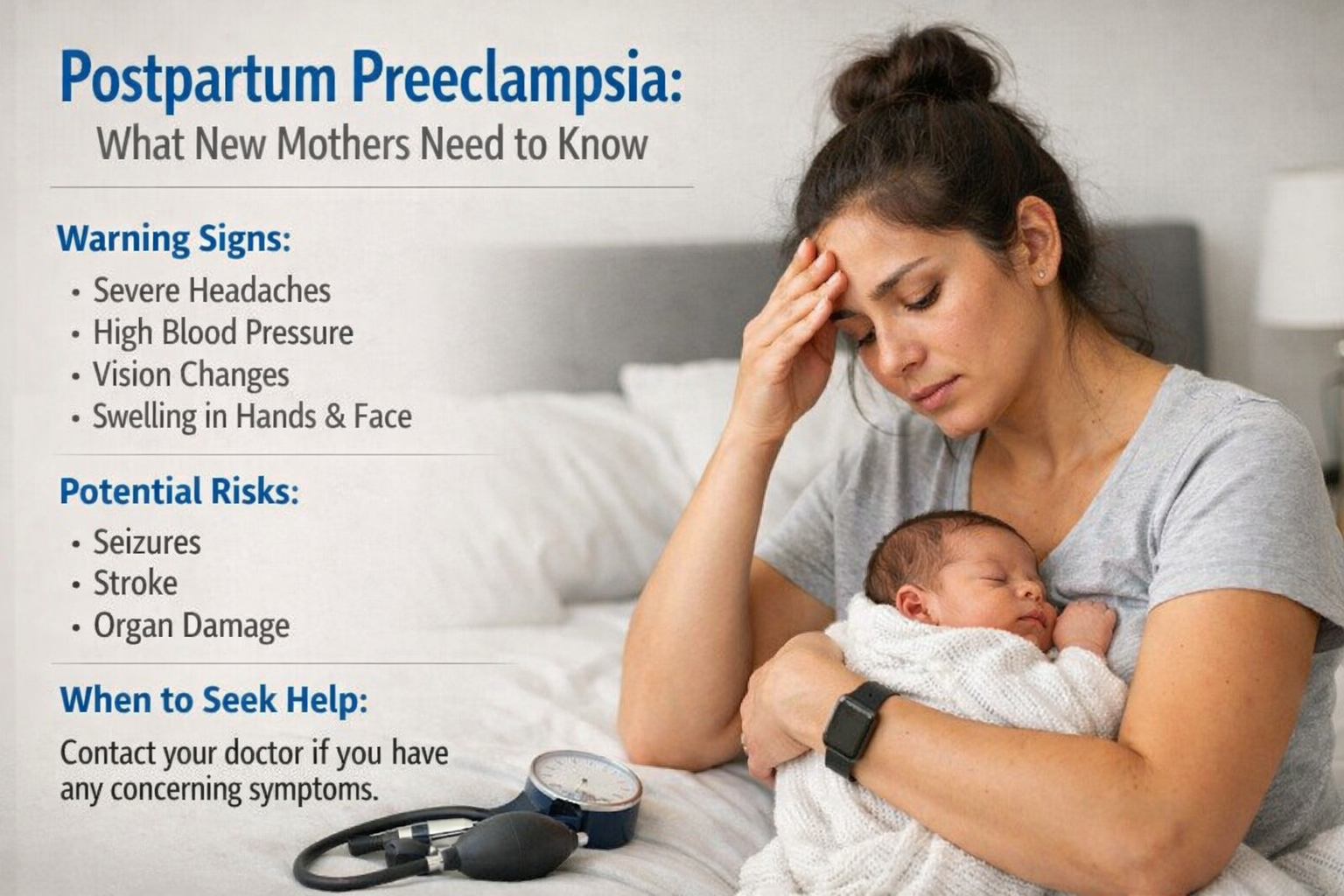
Symptoms of postpartum preeclampsia can surface unexpectedly, often within days or weeks after childbirth. New mothers may experience severe headaches, vision changes like blurriness, and swelling in the hands and face.
Elevated blood pressure is another critical sign. Additionally, some women report nausea or abdominal pain. Recognizing these symptoms early is vital for timely intervention to avoid complications that could affect both mother and baby. Awareness plays a key role in safeguarding health during this delicate period.
2.4 Causes
The exact causes of postpartum preeclampsia are not fully understood, but several factors contribute to its development. It often occurs after the delivery process when blood pressure regulation can be disrupted due to hormonal changes, vascular damage, or inflammation.
Additionally, women with a history of high blood pressure or those who experienced preeclampsia during pregnancy may be more susceptible. Genetic predispositions and underlying health conditions also play critical roles in increasing the risk for this condition following childbirth.
3. Diagnosis and Management
Diagnosing postpartum preeclampsia typically involves monitoring blood pressure and testing urine for protein. Healthcare providers may also conduct blood tests to assess liver function and kidney health. Early detection is crucial to prevent complications.
Management often includes medication to lower blood pressure, such as antihypertensives, and sometimes magnesium sulfate to prevent seizures. Close follow-up care is essential, with regular check-ups post-delivery ensuring a safe recovery process for new mothers navigating this condition efficiently.
3.1 Diagnosis Methods
Diagnosing postpartum preeclampsia typically involves monitoring blood pressure and testing urine for protein. These are essential steps since elevated levels can indicate the condition’s presence.
Healthcare providers may also order blood tests to assess kidney function, liver enzymes, and platelet counts. Regular check-ups during the postpartum period help catch this serious complication early, allowing for timely interventions to ensure both mother and baby remain safe.
3.2 Treatment Approaches
Treatment for postpartum preeclampsia primarily involves the use of antihypertensive medications to manage high blood pressure. Medications such as labetalol and nifedipine are commonly prescribed, ensuring that both mother and baby remain safe.
In more severe cases, doctors may recommend hospitalization for closer monitoring. Magnesium sulfate can be administered to prevent seizures in women experiencing significant symptoms. Each treatment plan is tailored individually based on the mother’s condition and response to initial therapies.
3.3 Duration and Complications
Postpartum preeclampsia can last for several days to weeks after delivery. Symptoms often develop within 48 hours but may appear up to six weeks afterward. Monitoring and timely treatment are crucial, as the condition can escalate quickly.
Complications can arise if left untreated, such as seizures or stroke. Additionally, postpartum preeclampsia increases the risk of developing chronic hypertension later in life. It’s vital for new mothers to stay vigilant about their health during this period and seek medical advice when necessary.
4. Recovery and Prevention
Recovering from postpartum preeclampsia involves close monitoring and regular follow-ups with healthcare providers. It’s essential to manage blood pressure levels and adhere to prescribed medications. Emotional support is also crucial during this time, as new mothers might feel overwhelmed.
Preventive measures include maintaining a healthy lifestyle before and after pregnancy. Staying active, eating balanced meals, and managing stress can help lower the risk. Discussing any concerns with a doctor during prenatal visits may lead to better strategies tailored for individual needs.
5. Additional Resources and References
For new mothers seeking more information about postpartum preeclampsia, several reliable resources are available. Websites like the American College of Obstetricians and Gynecologists provide valuable insights into symptoms and management.
Books focusing on maternal health can also be beneficial for understanding this condition. Engaging with support groups, either online or in-person, offers a chance to connect with others facing similar challenges while receiving emotional support and advice from those who have experienced postpartum preeclampsia firsthand.
6. Conclusion
Postpartum preeclampsia is an important condition that new mothers should be aware of. Understanding its symptoms, risk factors, and potential complications can empower women to seek help when needed. Early diagnosis and appropriate treatment are crucial for a smooth recovery. As you embark on your journey into motherhood, remain vigilant about any unusual signs in your body. Seek support from healthcare providers and loved ones. With the right information and care, managing postpartum preeclampsia becomes much more attainable, allowing you to focus on bonding with your newborn while prioritizing your health.