5 AI Hacks to Plan & Create Travel Videos Without Any Fancy Gear
Travel content is one of the most consumed categories across social media. From cinematic drone shots on YouTube to quick destination highlights on Instagram Reels and TikTok, audiences love watching other people explore the world. A recent survey by Statista found that travel-related videos consistently rank among the top five most-watched content categories globally, and creators who post travel content regularly tend to build highly engaged followings.
The challenge is that producing a polished travel video has traditionally required expensive gear, advanced editing skills, and hours of post-production work. Most travelers simply want to document their experiences and share them in a way that feels compelling, without turning their vacation into a film shoot. Fortunately, new tools and smarter planning strategies are making it possible to create impressive travel videos with minimal effort and zero professional equipment.
Using AI Tools to Simplify Travel Video Production
One of the biggest shifts in travel content creation is the emergence of AI-powered video tools. These platforms allow creators to generate video content from text descriptions, eliminating the need for extensive footage libraries or complex editing workflows.
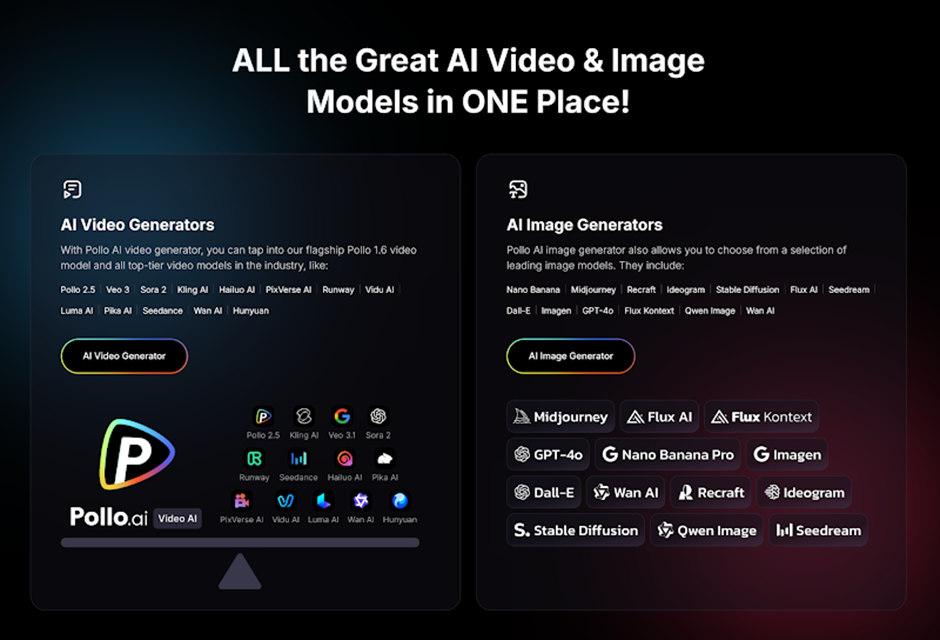
Pollo.ai is a platform that has made this approach particularly practical for travel creators. Its Pollo AI video creator enables users to describe a scene in detail — a sunset over a Mediterranean harbor, a bustling night market in Southeast Asia, a snow-covered mountain village — and receive a visually polished video clip within minutes. This is especially useful for creators who want to supplement their own footage with atmospheric establishing shots, or who want to produce travel content for destinations they are still planning to visit.
The technology works well for social media previews, travel blog headers, and promotional content for tourism businesses. A boutique hotel, for example, can generate a visual walkthrough of its property and surrounding area without hiring a videographer. A travel blogger can create teaser content for an upcoming trip series before even packing a suitcase. The speed and accessibility of AI generation mean that the gap between having an idea and publishing a finished video has never been smaller.
Planning Your Travel Video Before You Leave
Great travel videos rarely happen by accident. The creators who consistently produce compelling content almost always plan ahead, even if the final product looks spontaneous and natural.
Start with a simple shot list. Think about the key moments and locations you want to capture during your trip. This does not need to be elaborate — even a brief list of five to ten scenes gives you a framework to work from and ensures you do not miss important visuals while you are caught up in the experience of traveling.
Storyboarding is another useful step, especially for longer videos. Sketch out the rough sequence of your video: opening shot, key highlights, transitions, and closing moment. This gives your content a narrative arc that viewers can follow, rather than feeling like a random collection of clips.
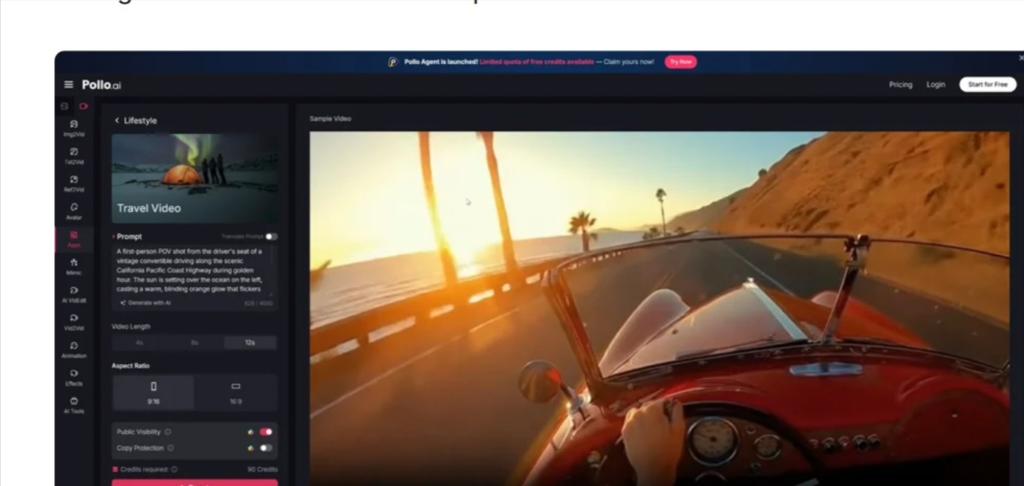
For creators who want to take planning a step further, Pollo.ai offers a dedicated travel video maker that is designed specifically for this type of content. The tool comes pre-configured with visual styles, aspect ratios, and pacing patterns that align with what performs well in the travel content space. You can use it to pre-visualize scenes before your trip, generate supplementary footage to fill gaps in your own recordings, or create complete travel highlight videos from text descriptions alone. This kind of preparation ensures that when you arrive at your destination, you already have a clear creative direction and can focus on enjoying the experience rather than stressing about production.
Editing and Publishing Tips for Maximum Reach
Once your footage and AI-generated clips are ready, how you edit and publish them determines whether your travel video reaches a wide audience or gets lost in the feed.
Keep platform requirements in mind from the start. Vertical 9:16 video is essential for Instagram Reels, TikTok, and YouTube Shorts. Horizontal 16:9 works better for standard YouTube uploads and website embeds. If you plan to publish across multiple platforms, consider editing your content in a square 1:1 format as a versatile middle ground, or create separate versions optimized for each channel.
Length matters more than most creators think. For short-form platforms, aim for 15 to 45 seconds. Viewers on these platforms scroll quickly, and your video needs to deliver its strongest visual within the first two seconds to prevent them from moving on. For YouTube, travel videos between three and eight minutes tend to perform best, giving you enough time to build a narrative without losing viewer attention.
Always add captions or text overlays. Research consistently shows that a large percentage of social media video is watched without sound, especially on Facebook and Instagram. Captions ensure your message comes through regardless of how the viewer is watching. They also improve accessibility and can boost engagement metrics that algorithms use to determine how widely to distribute your content.
Conclusion
Creating memorable travel videos no longer requires a camera bag full of expensive gear or weeks of post-production editing. With thoughtful planning, a clear sense of story, and accessible AI-powered tools like Pollo.ai, any traveler can produce content that captures the spirit of a destination and resonates with an audience. Whether you are a full-time travel creator or someone who simply wants to share a vacation highlight with friends, the tools available now make it easier than ever to turn your experiences into videos worth watching. Start with a plan, experiment with different approaches, and let your travels tell their own story.