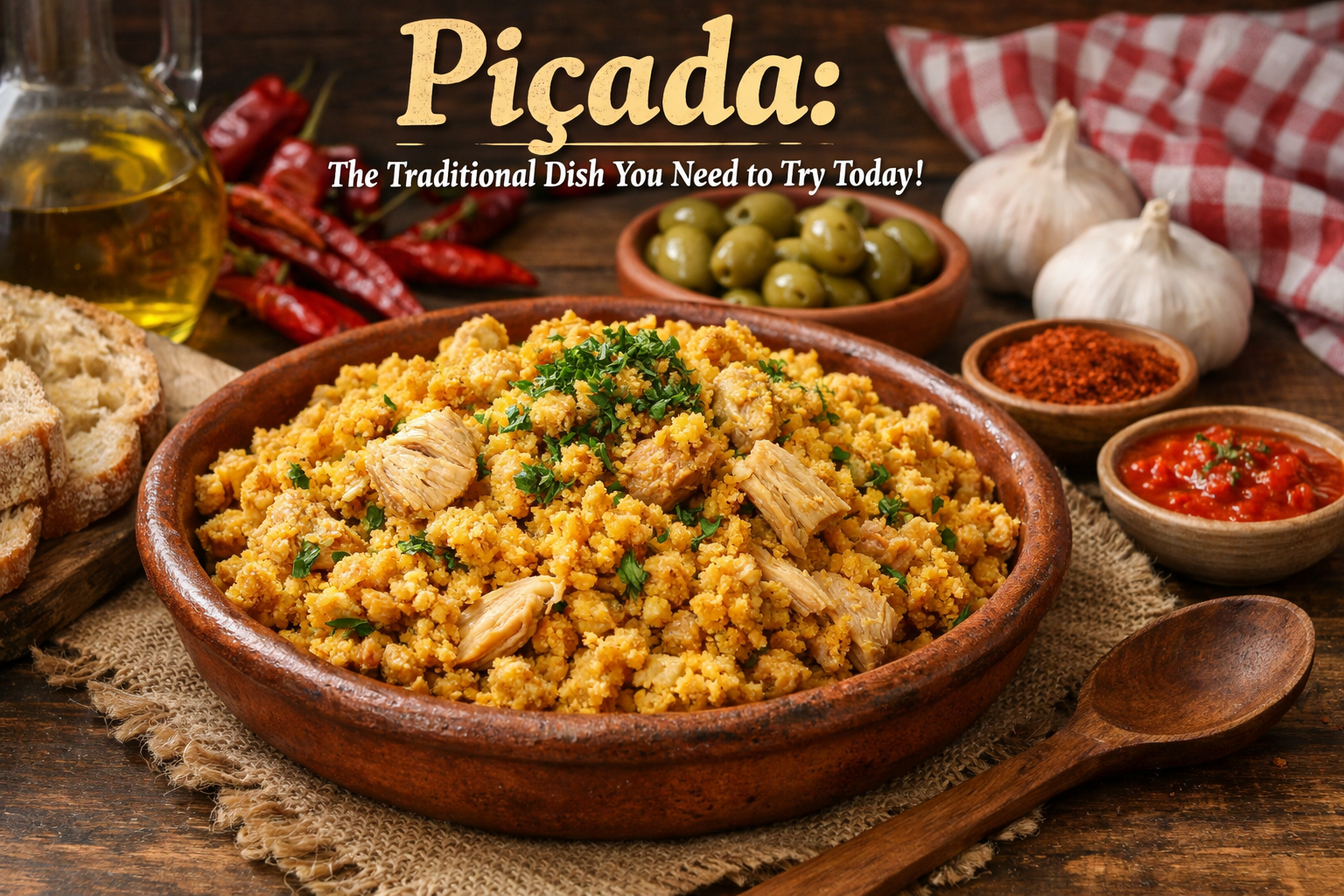
Piçada: The Traditional Dish You Need to Try Today!
If you haven’t yet tried piçada, you’re in for a treat. This traditional dish is not just food; it embodies the spirit of Brazilian culture and culinary creativity. Originating from rural roots, piçada has evolved into a beloved staple with various regional twists. Whether you enjoy it at local festivals or family gatherings, each bite tells a story of tradition and flavor. Let’s dive into what makes piçada so special and why it’s an experience every foodie should embrace today!
The Meaning of Piçada in Language and Culture
Piçada carries a rich meaning in Brazilian culture, reflecting both culinary and social aspects. It represents not just a dish but also a way of gathering and sharing among friends and family.
The term itself evokes images of traditional kitchens filled with laughter and the aroma of home-cooked meals. It’s often associated with rural communities where communal eating is common.
In language, piçada signifies more than food; it symbolizes warmth, unity, and the importance of heritage. Each region has its own take on this dish, allowing for diverse interpretations that enrich Brazilian cultural identity.
Regional Variations of Piçada
Piçada varies widely across Brazil, reflecting the country’s rich culinary landscape. In the Northeast, piçadas often feature spicy ingredients like malagueta peppers and local cheeses, creating a vibrant dish that packs a punch.
In contrast, the Southern regions might incorporate more rustic flavors with smoked meats and seasonal vegetables. Here, it becomes a hearty meal perfect for family gatherings.
Meanwhile, in urban areas like São Paulo or Rio de Janeiro, innovative chefs experiment with piçada by fusing traditional recipes with international cuisine elements. This evolution showcases how versatile and beloved this dish truly is among diverse communities.
Piçada in Brazilian Portuguese Slang
In Brazilian Portuguese slang, “piçada” takes on a lively twist. It often refers to something spontaneous or exciting, embodying the zest for life found in various regions of Brazil. People use it to describe moments filled with energy and joy.
You might hear someone say they had a “piçada” during an unforgettable party or event. This playful language reflects the vibrancy of Brazilian culture where words can carry deeper meanings than their literal translations.
Moreover, piçada can imply being carefree or acting without hesitation—embracing experiences fully as they come your way. The term resonates well within social circles, adding a layer of fun to conversations.
Piçada in Trails and Rural Paths
Piçada has a unique connection to the trails and rural paths of Brazil. Often enjoyed by hikers and outdoor enthusiasts, this dish serves as both sustenance and a cultural experience. The vibrant flavors reflect the natural bounty found in these regions.
As you traverse through lush landscapes, stopping for piçada offers a moment to recharge. It’s not just food; it’s a way to connect with nature and local traditions. Each bite tells stories of the land.
Sharing piçada among friends or fellow travelers enhances its significance. It fosters camaraderie while exploring the beauty of Brazil’s countryside, making every adventure memorable.
Culinary Uses of Piçada
Piçada is a versatile dish that shines in various culinary settings. Commonly made with meat, it can also feature vegetables, beans, or grains, allowing for unique flavor combinations. Each region adds its special twist to this traditional meal.
Chefs often use piçada as a base for hearty stews and casseroles. Its rich flavors enhance the taste of other ingredients while providing comfort during colder months.
Additionally, piçada works well in sandwiches and wraps. The savory profile makes it an excellent choice for picnics or casual gatherings where friends come together to enjoy good food and company.
Etymology and Linguistic Roots of Piçada
The word “piçada” has intriguing linguistic roots that trace back to the Portuguese language. Derived from the verb “picar,” which means to prick or jab, it reflects a tactile action often associated with food preparation.
In rural contexts, piçada is linked to local cuisine that emphasizes fresh ingredients and traditional cooking methods. The term evokes imagery of meals crafted by hand, celebrating authenticity.
As an integral part of Brazilian culture, piçada also carries historical significance. It encapsulates culinary practices passed down through generations, showcasing regional flavors and techniques unique to various communities across Brazil.
Cultural Significance of Piçada
Piçada holds deep cultural significance in various regions, especially in Brazil. It serves as a symbol of community and tradition, often enjoyed during gatherings and festivities. Families come together to share this dish, reinforcing bonds over shared meals.
The preparation of piçada is usually a communal activity that brings people closer. Cooking it outdoors adds an element of camaraderie that’s hard to replicate indoors.
This traditional dish also reflects the diverse culinary landscape of its origins. Each region has its own take on piçada, showcasing local ingredients and flavors while preserving age-old cooking methods passed down through generations.
Piçada in Modern Communication and Social Media
Piçada has found a unique place in modern communication, especially on social media. Users often share photos and videos of this delicious dish, showcasing their culinary skills or family recipes. The vibrant images draw attention and spark conversations.
Memes featuring piçada have also gained traction. They humorously highlight its cultural significance while connecting people through shared experiences related to food.
Hashtags like #PizadaChallenge encourage users to post their own versions of the dish, creating a sense of community around this traditional meal. Social media transforms piçada from just a dish into a cultural phenomenon that brings people together.
Spelling Confusion: Piçada vs Picada
Many people often confuse “piçada” with “picada.” While they sound similar, their meanings differ significantly. Piçada refers to a traditional dish in Brazilian cuisine, while picada translates to “bite” or “stab.” This distinction is essential for anyone wanting to discuss food without creating misunderstandings.
The spelling variation can lead to amusing situations online and in conversation. Social media users frequently mix the terms when sharing culinary experiences. It’s important for food enthusiasts to clarify what they mean.
Understanding these differences enriches cultural conversations and enhances appreciation for regional dishes like piçada. Exploring its significance becomes more enjoyable when we get the terminology right.
Why Piçada is Popular
Piçada has gained immense popularity due to its rich flavors and hearty ingredients. This traditional dish embodies the essence of Brazilian comfort food, appealing to both locals and tourists alike.
Its versatility is another reason for its widespread love. Whether enjoyed at family gatherings or street fairs, piçada can be customized with various meats and spices to satisfy diverse palates.
Social media has further amplified piçada’s fame, as food enthusiasts share mouth-watering photos and recipes online. The vibrant presentation makes it a hit on platforms like Instagram, inviting more people to experience this culinary delight firsthand.
Conclusion
Piçada is more than just a dish; it’s a celebration of culture and tradition. With its rich history, regional variations, and evolving significance in modern communication, this culinary gem stands out. Its unique flavors captivate taste buds while sparking conversations around the dinner table. As you explore Brazil’s diverse landscapes and cultures, don’t miss out on savoring piçada. This traditional dish not only nourishes the body but also connects people to their roots and each other. Embrace the experience of piçada—your palate will thank you!