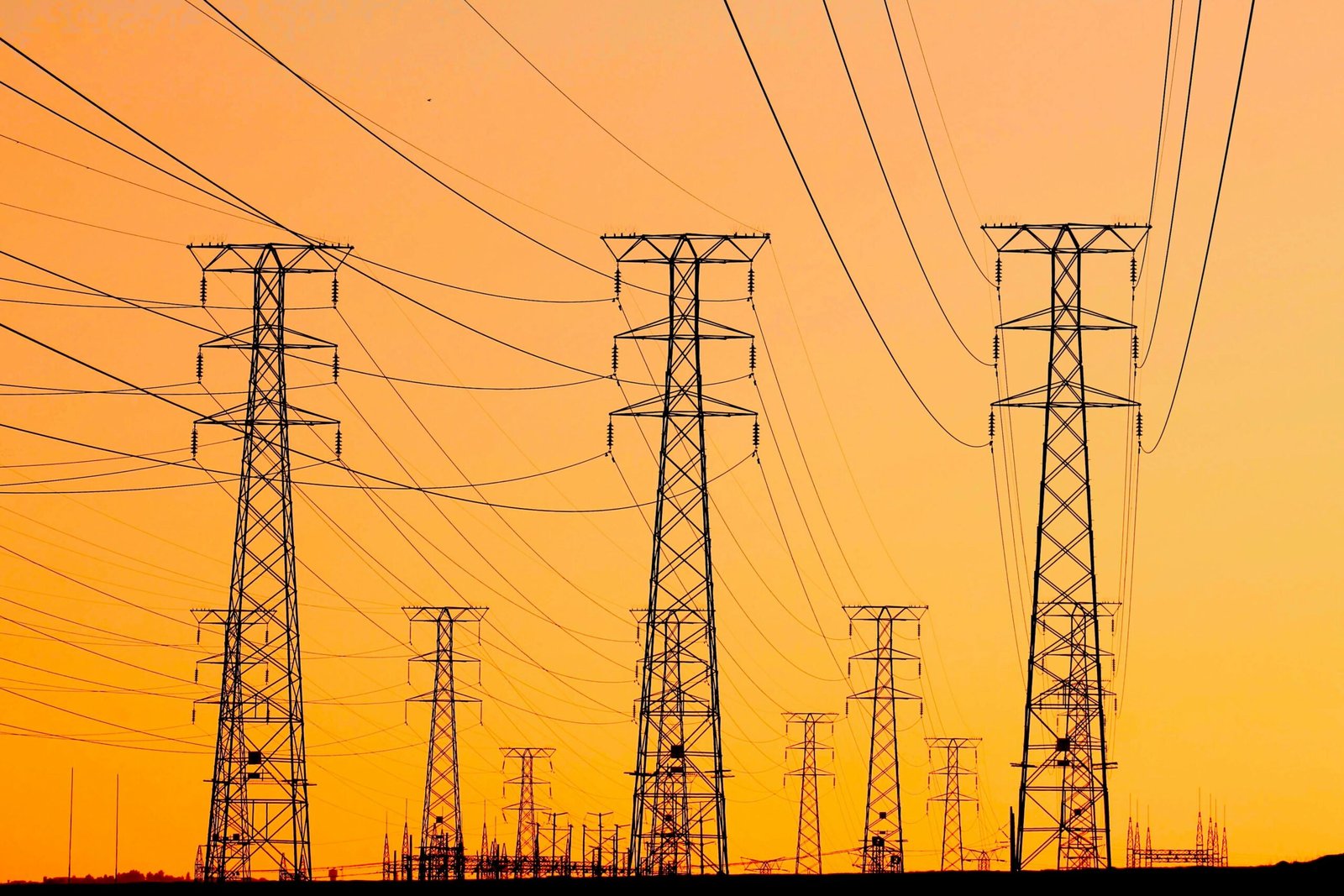
Upgrade Your Grid: Grid Modernization Cable Solutions for Tomorrow
Electrical grids across developed nations face a critical infrastructure gap: 70% of transmission lines exceed their 25-year design life while peak demand surges 2-3% annually. Traditional copper and aluminum conductors cannot simultaneously accommodate bidirectional renewable flows, real-time load balancing, and urban density requirements. Modern cable technologies, from HVDC systems to fiber-integrated monitoring solutions offer measurable improvements in capacity, efficiency, and resilience. The question becomes which specifications align with specific grid vulnerabilities and regulatory mandates.
Why Aging Power Grids Are Failing Modern Energy Demands
As electrical consumption patterns have shifted dramatically over the past two decades, the United States power grid consisted of 70% of transmission lines and transformers exceeding 25 years of operational life struggles to accommodate distributed energy resources, bidirectional power flows, and peak demand loads that have increased by 23% since 2000.
Aging infrastructure fundamentally compromises grid resilience and energy efficiency, while technological advancements in renewable integration outpace existing cable capacity. Current systems lack adequate demand response capabilities, forcing operators to implement reactive maintenance strategies rather than predictive protocols.
Regulatory challenges further complicate modernization efforts, as jurisdictions maintain conflicting standards for renewable integration and safety compliance. The deteriorating cable networks cannot support smart grid technologies essential for managing variable renewable generation, creating cascading vulnerabilities throughout transmission and distribution systems.
HVDC Grid Cables for Long-Distance Renewable Transmission
High-voltage direct current (HVDC) transmission systems deliver electrical power across distances exceeding 600 kilometers with 30-40% lower losses compared to alternating current alternatives, making them essential infrastructure for connecting remote renewable generation sites to demand centers.
HVDC technology enables bidirectional power flow and voltage-source converter configurations that facilitate renewable integration from offshore wind farms and desert solar installations.
Modern HVDC cables incorporate cross-linked polyethylene insulation rated for ±320 kV to ±525 kV applications, with conductor sizes ranging from 630 mm² to 3000 mm². Installation depths reach 1,600 meters for submarine applications.
IEC 62067 and IEEE 1407 standards govern cable design, testing protocols, and operational parameters.
These systems support grid stability through independent active and reactive power control, addressing the intermittent nature of renewable generation while maintaining transmission efficiency across continental distances.
Medium-Voltage Cables That Smooth Solar and Wind Fluctuations
Medium-voltage distribution cables operating at 1 kV to 35 kV serve as the backbone for integrating distributed renewable energy resources within regional grids. They manage power flow from multiple solar arrays and wind turbine clusters connected at the substation level.
These cables incorporate enhanced insulation systems, cross-linked polyethylene (XLPE) or ethylene propylene rubber (EPR) ; they can withstand thermal cycling from intermittent generation patterns. When paired with energy storage systems, medium-voltage networks enable bidirectional power transmission, allowing batteries to absorb excess renewable output during peak production and discharge during demand surges.
This configuration enhances grid flexibility by reducing voltage fluctuations and frequency deviations inherent to variable generation sources. Cable ampacity ratings must account for load variability, typically requiring 125% overcapacity per IEEE 1547 interconnection standards to maintain system stability during renewable output shifts.
Fiber-Integrated Grid Cables for Real-Time Monitoring and Control
While traditional power cables deliver only electrical current, fiber-integrated composite cables combine electrical conductors with optical fibers embedded within the cable structure, enabling simultaneous energy transmission and real-time data acquisition across distribution networks.
This dual-functionality architecture supports distributed temperature sensing (DTS) and partial discharge monitoring through continuous fiber optics surveillance, detecting hotspots and insulation degradation before failure occurs.
Data transmission capabilities reach gigabit speeds, facilitating SCADA integration and enabling operators to track voltage, current, and power quality parameters with sub-second latency.
IEEE 1815 and IEC 61850 protocol compliance guarantees interoperability across control systems.
Installation follows conventional medium-voltage practices, with fiber terminations requiring specialized fusion splicing per TIA-568 standards.
Utilities deploying these cables report 40% faster fault location and 25% reduction in unplanned outages.
Superconducting Cables That Triple Urban Power Capacity
Dense metropolitan networks face physical constraints where existing underground conduit systems cannot accommodate additional conventional cables to meet escalating load demands projected at 3-5% annual growth through 2040.
High-temperature superconducting (HTS) cables eliminate resistive losses at liquid nitrogen temperatures (77K), delivering 3-5 times the ampacity of copper equivalents within identical cross-sectional dimensions.
Superconducting advantages include zero I²R losses, reduced thermal management requirements, and compact installations that maximize urban efficiency in space-constrained environments.
Current deployments in Seoul, Copenhagen, and New York demonstrate 138kV systems transmitting 574 MVA through 100mm diameter cables replacing conventional 400mm alternatives.
IEEE Standard 2806-2022 establishes performance criteria for HTS power cables, while utilities report 40-50% operational cost reductions over 30-year lifecycles despite higher capital expenditure.
XLPE Grid Cables Built for Hurricanes and Extreme Heat
Extreme heat endurance capabilities allow continuous operation at conductor temperatures reaching 90°C, with ampacity ratings 30% higher than PVC alternatives.
Moisture-resistant compounds prevent thermal degradation in desert environments where ambient temperatures exceed 50°C.
UV-stabilized jacketing conforming to ICEA S-108-720 standards guarantees 40-year service life in direct sunlight exposure.
Utilities across climate-vulnerable regions prioritize XLPE installations for critical transmission routes.
Underground Grid Cable Installation: Costs, Benefits, and Challenges
Although underground installations eliminate visual infrastructure and enhance storm resilience, capital expenditures typically range from $1.5 million to $3.5 million per mile compared to $350,000-$800,000 for overhead alternatives.
Cost analysis must account for trenching methods, directional boring, and conduit systems. Installation techniques vary by soil composition and urban density, directly impacting project timelines spanning 18-36 months versus 6-12 months overhead.
Environmental impact assessments address soil disruption and habitat considerations. Regulatory challenges include permitting complexities across multiple jurisdictions.
Maintenance strategies differ greatly, underground systems require specialized fault location equipment and vault access. Safety considerations favor underground configurations through reduced electrocution risks and eliminated vegetation contact.
Long-term operational benefits include fewer outages, extended 40-year service life, and diminished visual environmental impact, justifying premium investment costs.
Smart Grid Cables That Enable EV Charging and Vehicle-to-Grid
Modern grid infrastructure investments extend beyond transmission and distribution improvements to accommodate bidirectional power flows between electric vehicles and the electrical network.
Smart grid cables supporting vehicle-to-grid (V2G) applications require enhanced current-carrying capacity, superior insulation materials rated for rapid charge-discharge cycles, and integrated communication capabilities per IEEE 2030.1 standards.
Vehicle integration demands cables with aluminum or copper conductors sized for 50-350 kW charging loads, cross-linked polyethylene insulation resistant to thermal stress, and fiber optic channels enabling real-time data exchange between charging stations and grid operators.
Smart charging infrastructure utilizes medium-voltage cables (15-35 kV) connecting substations to charging hubs, while low-voltage cables (480V-1000V) interface directly with EV charging equipment.
These specialized cables incorporate temperature monitoring systems and electromagnetic shielding to prevent interference with vehicle communication protocols, ensuring reliable bidirectional energy transfer.
Fire-Resistant Grid Cable Materials That Prevent Wildfire Ignition
Utility-scale power transmission failures account for approximately 10% of wildfire ignitions in high-risk regions, driving demand for non-combustible cable materials that maintain structural integrity under extreme thermal conditions.
Fire resistant innovations now include mineral-insulated cables with magnesium oxide dielectric layers rated to 1,085°C, aluminum-clad steel conductors with ceramic coatings, and cross-linked polyethylene compounds incorporating flame-retardant additives meeting IEC 60332-3 standards.
Advanced wildfire prevention strategies deploy these materials in Red Flag Warning zones where ambient temperatures exceed 38°C and humidity drops below 15%.
Testing protocols per IEEE 383 verify cable performance during fault conditions generating arc temperatures of 5,000°C.
Utilities prioritize installations in high-consequence areas, reducing ignition probability by 73% compared to conventional PVC-jacketed designs while maintaining ampacity requirements for grid modernization.
Matching Cable Technologies to Your Grid Modernization Goals
Grid operators evaluating cable upgrades must align material specifications with three primary infrastructure objectives: load capacity expansion, reliability improvement, and regulatory compliance timelines.
High-temperature low-sag (HTLS) conductors address transmission bottlenecks by increasing ampacity 50-100% without structural reinforcement.
Cross-linked polyethylene (XLPE) insulation systems extend cable longevity beyond 40 years while maintaining dielectric strength under thermal cycling.
Utilities prioritizing grid efficiency should specify conductors with aluminum-composite cores, reducing line losses by 25-30% compared to conventional ACSR designs.
Fire-resistant materials meeting IEEE 1202 and UL 2196 standards fulfill California Public Utilities Commission wildfire mitigation requirements.
Decision matrices incorporating total cost of ownership, installation constraints, and asset management data guarantee cable selections support utility-specific modernization roadmaps while optimizing capital expenditure allocation across multi-year infrastructure programs.