 By Admin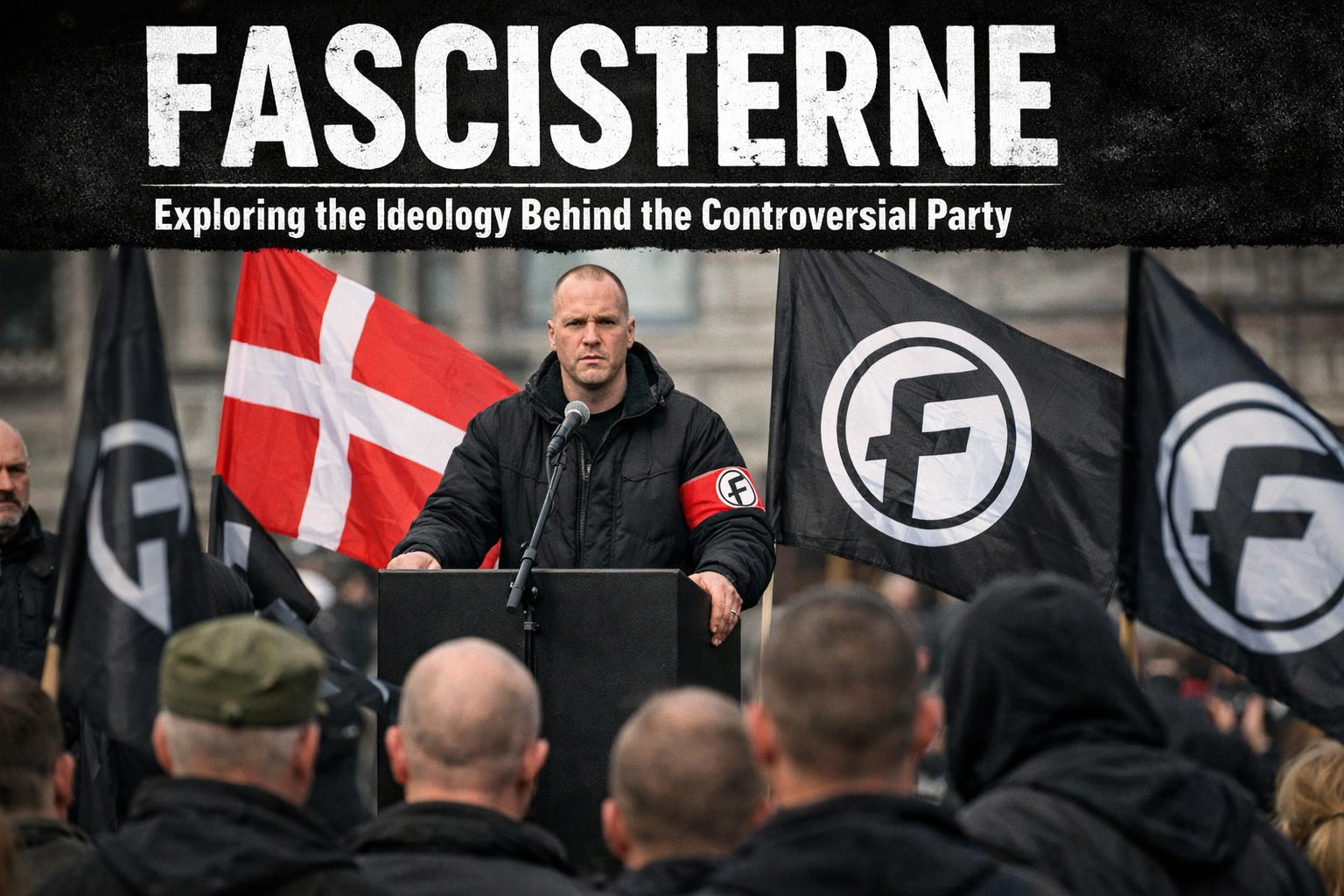
Introduction
Fascisterne, a name that stirs up strong emotions and vivid historical images, represents one of the most controversial political movements in modern history. Understanding this ideology is crucial for grasping not just its past implications but also its lingering influence today. From the streets of Scandinavia to broader European contexts, Fascisterne has shaped societal norms and ignited debates about identity, power, and governance. This exploration will take you through its origins, core beliefs, rise to prominence, and even its cultural repercussions—shedding light on what makes Fascisterne a subject of ongoing relevance. Join us as we delve into this complex tapestry of ideology and impact.
What Is Fascisterne?
Fascisterne is a far-right political party known for its nationalist and authoritarian principles. Emerging in the early 20th century, it advocates for strong centralized power and often promotes xenophobic ideologies.
This movement gained traction by emphasizing cultural identity and traditional values. Its rhetoric typically appeals to emotions, seeking to unite followers against perceived threats from globalization or immigration. Understanding Fascisterne requires examining these core beliefs that resonate within certain segments of society today.
Etymology and Origins of Fascisterne
The term “Fascisterne” derives from the Latin word “fascis,” meaning a bundle of rods. This symbolizes strength through unity, reflecting the party’s core belief in collective power over individualism. The name evokes imagery of authority and discipline.
Emerging in early 20th-century Europe, Fascisterne found roots in various nationalist movements. Its ideology was shaped by economic turmoil and social unrest following World War I. These factors contributed to its appeal as people sought order amid chaos and instability.
The Core Ideology of Fascisterne
Fascisterne is rooted in an authoritarian ideology that emphasizes strong centralized power. It prioritizes the state above individual rights, advocating for a nationalistic and often xenophobic approach to governance. This party seeks unity through conformity, promoting a singular cultural identity while suppressing dissent.
Economic control plays a crucial role as well, with the belief that capitalism must serve national interests. Fascisterne champions militarism and uses propaganda to maintain its grip on society, fostering an environment of fear and loyalty among citizens.
Fascisterne in Scandinavia and Denmark
Fascisterne emerged as a formidable force in Scandinavia, particularly during the early 20th century. Their ideology resonated with nationalistic sentiments, drawing support from those disillusioned by economic struggles and social unrest.
In Denmark, Fascisterne gained traction by promoting ideas of racial superiority and anti-communism. This movement found allies among various groups seeking to restore what they deemed national pride. The impact was significant, influencing political discourse and shaping societal views on identity and governance within the region.
How Fascisterne Rose to Power
Fascisterne’s ascent began during a period of social unrest and economic hardship. As discontent grew among the populace, they capitalized on nationalistic sentiments and anti-immigrant rhetoric, appealing to those who sought change.
By forming strategic alliances with influential groups, Fascisterne managed to gain legitimacy in political circles. Their charismatic leaders could rally support through powerful speeches that resonated deeply with people’s frustrations and fears, paving the way for their eventual rise to prominence within Scandinavian politics.
Cultural and Social Consequences of Fascisterne
The cultural and social consequences of Fascisterne were profound. They fostered an environment where dissent was stifled, leading to a homogenized society that suppressed diversity in thought and expression.
Art, literature, and education were heavily influenced by the party’s ideology. Many artists faced censorship while others adjusted their work to align with Fascisterne’s agenda. This shift created a climate of fear that stunted creativity and innovation within various cultural spheres across Scandinavia.
Fascisterne in Warfare – WWII and Beyond
Fascisterne’s influence during World War II was marked by aggressive military campaigns and ideological expansion. Their strategies relied heavily on nationalism and militarism, leading to significant territorial gains across Europe.
After the war, remnants of Fascisterne ideology persisted in various forms. Groups inspired by these principles emerged, advocating for authoritarian governance and often resorting to violence. The scars of their actions continue to shape discourse around warfare and political extremism in modern contexts, serving as a reminder of history’s complexities.
The Fall of Fascisterne
The fall of Fascisterne marked a significant turning point in European politics. As World War II progressed, the party faced increasing opposition from resistance movements and Allied forces.
Their rigid ideology began to crumble under military pressure and accusations of war crimes. The post-war period brought about a global reckoning with fascist regimes, forcing Fascisterne into obscurity as new political ideologies emerged across Scandinavia and beyond, reshaping the landscape for future generations.
Echoes of Fascisterne in Modern Politics
The ideology of Fascisterne still resonates in various political movements today. Nationalism, anti-immigrant sentiments, and authoritarian tendencies can be seen across the globe. These elements often emerge quietly but gain traction during times of social unrest or economic instability.
Populist leaders sometimes channel rhetoric reminiscent of Fascisterne, appealing to fears while promoting a vision of national strength. The echoes are visible not just in Europe but also in many countries grappling with identity and belonging.
Media’s Role in Fascisterne
Media played a pivotal role in shaping the narrative around Fascisterne. Through propaganda, newspapers, and radio broadcasts, they disseminated ideas that appealed to national pride and unity. This manipulation of information helped garner support among various demographics.
Moreover, media served as a tool for vilification against perceived enemies. By framing dissenters and minorities negatively, it reinforced the party’s agenda. The power of media was instrumental in normalizing fascist ideologies within society during its peak influence.
Educational Importance of Studying Fascisterne
Studying Fascisterne is crucial for understanding the dynamics of political extremism. It offers insights into how ideologies can influence societies, shaping cultural and social norms.
Moreover, examining this ideology helps educate future generations about the consequences of hate and division. By learning from history, individuals can foster tolerance and critical thinking in today’s diverse world. Awareness equips people to recognize similar patterns that may arise in modern politics, promoting vigilance against extremist movements.
International Accountability and Human Rights Frameworks
International accountability serves as a crucial mechanism in addressing the atrocities committed by Fascisterne. It aims to ensure that perpetrators are held responsible for their actions, fostering justice and reconciliation in affected communities.
Human rights frameworks play an essential role in safeguarding individuals against oppressive regimes. By establishing standards of behavior, these frameworks empower nations to challenge violations and promote accountability, ultimately working towards preventing the resurgence of ideologies like those espoused by Fascisterne across the globe.
Final Conclusion
Fascisterne represents a complex and contentious chapter in political history. Understanding its origins, ideology, and impact is essential for grasping the nuances of contemporary politics. As echoes of fascist ideologies resurface in various forms today, studying Fascisterne can offer vital lessons about tolerance, democracy, and human rights.
Reflecting on this past encourages vigilance against extremism while reinforcing the importance of inclusivity within our societies. Engaging with these historical narratives will help us create informed citizens who are better equipped to navigate the challenges we face today. The ongoing discourse around Fascisterne serves as a reminder that awareness and education remain paramount in safeguarding democratic values worldwide.