 By Admin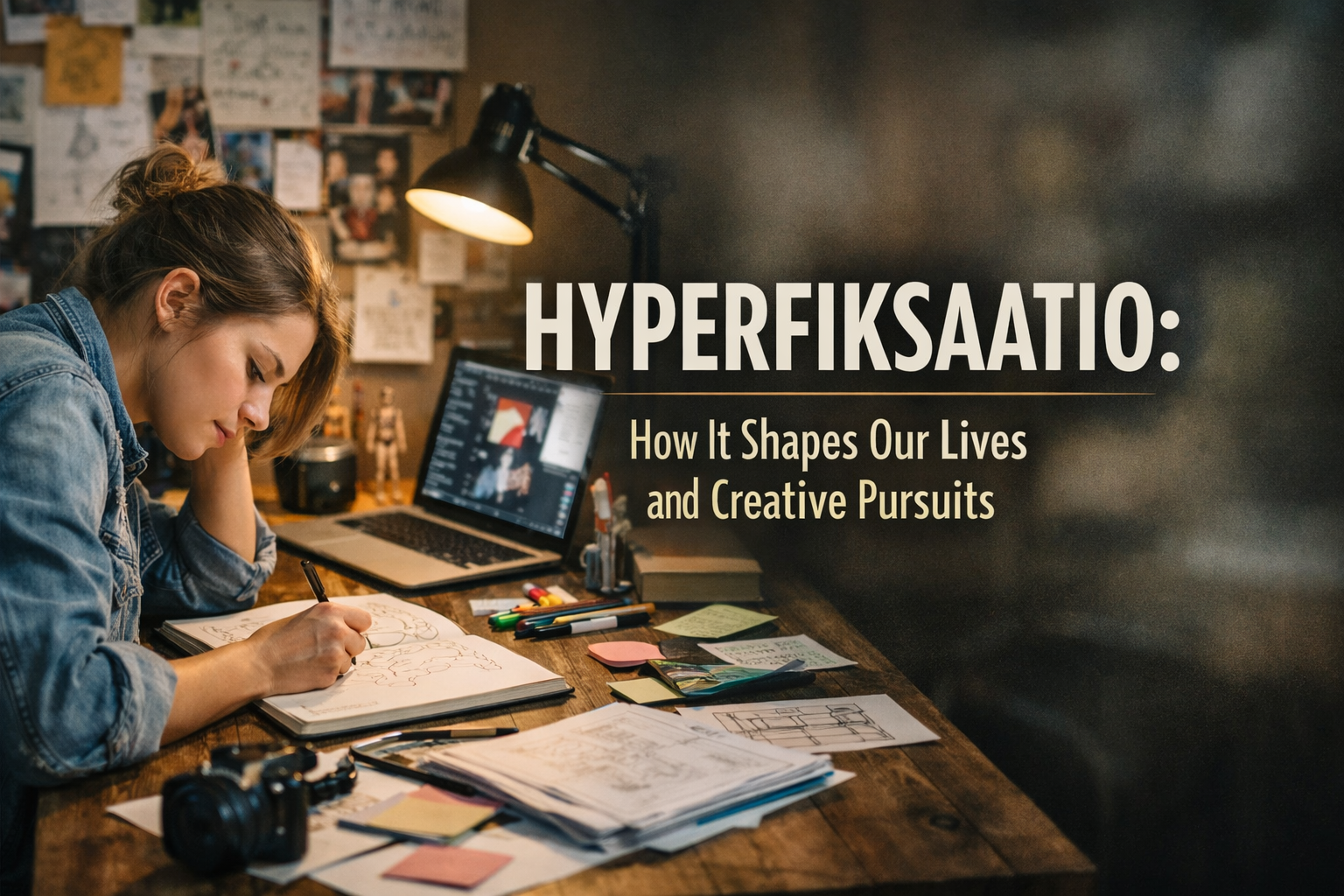
Have you ever found yourself so immersed in a project that hours felt like minutes? That intense focus you experienced might be linked to hyperfiksaatio, an intriguing phenomenon where one becomes completely absorbed in a specific interest or task. This deep dive into concentration can shape how we create, learn, and live our daily lives. Whether you’re an artist refining your craft or someone lost in the world of research, understanding hyperfiksaatio can unlock insights into your creative pursuits and personal growth. Join us as we explore this captivating topic and discover its impact on our lives.
Understanding Hyperfiksaatio
Hyperfiksaatio, often referred to as hyperfocus, is the state of intense concentration on a particular subject or activity. It allows individuals to dive deeply into their interests, sometimes losing track of time and surroundings. This phenomenon can arise spontaneously or stem from passion-driven pursuits.
For many, hyperfiksaatio becomes a double-edged sword. While it fosters creativity and productivity in areas like art and research, it can also lead to an overwhelming fixation that detracts from other essential aspects of life. Understanding this unique mental state offers valuable insights into our behaviors and motivations.
The Psychology of Extreme Focus
Extreme focus often stems from a deep psychological drive. It can be rooted in passion, curiosity, or even necessity. When individuals engage intensely with an interest or task, their mental state shifts dramatically. Distractions fade away as they enter a realm where time feels irrelevant.
This concentrated mindset is not just about willpower; it intertwines with our emotions and motivations. The brain releases dopamine during these states, reinforcing the behavior and encouraging deeper involvement. Understanding this psychology can unlock new avenues for creativity and productivity in various pursuits.
Neurological Mechanisms Behind Hyperfiksaatio
Hyperfiksaatio, or hyperfocus, is deeply rooted in our brain’s wiring. Neurotransmitters like dopamine play a crucial role in fueling this intense concentration. When we’re drawn to an interest, our brains release dopamine, enhancing our ability to focus and absorb information.
Studies show that specific areas of the brain become highly active during hyperfiksaatio. The prefrontal cortex, responsible for decision-making and attention control, works overtime. This heightened activity allows individuals to delve into their passions with remarkable clarity while often shutting out distractions from the outside world.
Hyperfiksaatio and Neurodiversity
Hyperfiksaatio often intersects with neurodiversity, particularly in individuals on the autism spectrum or those with ADHD. For them, intense focus can lead to remarkable achievements in specific areas of interest. This deep engagement allows for creativity and innovation that might be overlooked by others.
However, this fixation can also present challenges. It may create barriers to multitasking or shift attention when needed. Understanding how hyperfiksaatio manifests within neurodiverse populations offers valuable insights into harnessing their unique strengths while addressing potential obstacles in daily life.
Positive Effects of Hyperfiksaatio
Hyperfiksaatio can lead to remarkable creativity and productivity. When individuals immerse themselves in a particular interest, they often produce work that is innovative and deeply insightful. This intense focus allows for the exploration of ideas and concepts that might otherwise go unnoticed.
Moreover, hyperfiksaatio can enhance problem-solving skills. By concentrating on a specific challenge or project for an extended period, people frequently discover unique solutions. This state of extreme engagement can transform mundane tasks into opportunities for growth and learning, enriching both personal and professional lives.
Negative Effects of Hyperfiksaatio
While hyperfiksaatio can fuel creativity and productivity, it also comes with significant downsides. Individuals may become so engrossed in their interests that they neglect essential responsibilities or relationships. This tunnel vision can lead to isolation, as social interactions take a backseat to the obsession.
Moreover, the intense focus associated with hyperfiksaatio can result in burnout. When passion turns into an all-consuming endeavor, mental fatigue sets in. The pressure to maintain such high levels of concentration often leads individuals to feel overwhelmed and anxious over time.
Hyperfiksaatio in Daily Life
Hyperfiksaatio often manifests in daily activities, transforming mundane tasks into deeply engaging experiences. Whether it’s diving into a new hobby or obsessively organizing your workspace, this intense focus can lead to remarkable productivity and creativity.
People may find themselves captivated by specific interests, dedicating hours without realizing it. This phenomenon can foster skills and knowledge that enrich one’s life. However, the immersive nature of hyperfiksaatio might also push aside other responsibilities or relationships that deserve attention. Balancing these moments is essential for maintaining overall well-being while enjoying life’s passions.
Managing Hyperfiksaatio
Managing hyperfiksaatio requires intentional strategies to maintain balance. Setting time limits on focused activities can help prevent burnout and promote variety in daily tasks.
Incorporating breaks is essential for mental health. Engaging in physical activity or mindfulness practices allows your mind to reset, enhancing overall productivity. Additionally, journaling about your experiences can provide insights into triggers and patterns, making it easier to navigate intense focus periods while ensuring you remain grounded in the present moment.
The Difference Between Hyperfiksaatio and Flow
Hyperfiksaatio and flow may seem similar, but they represent different states of mind. Hyperfiksaatio is an intense focus on a specific interest or task, often at the expense of other responsibilities or activities. This fixation can lead to obsession, making it hard to shift attention when needed.
In contrast, flow is a state where individuals become fully immersed in an activity that challenges their skills without causing stress. Flow encourages balance and enhances overall well-being while promoting creativity. Understanding this distinction can help harness both states effectively for personal growth and productivity.
The Role of Technology in Hyperfiksaatio
Technology plays a significant role in hyperfiksaatio, enhancing focus through various tools and platforms. Many individuals find that apps designed for productivity or immersive experiences can amplify their intense concentration on specific tasks or interests.
Social media, video games, and online communities also provide endless stimuli that can deepen one’s fixation. While these digital environments may foster creativity, they can also lead to distractions if not managed wisely. Balancing technology use is essential for harnessing the benefits of hyperfiksaatio without succumbing to its potential pitfalls.
The Future of Research on Hyperfiksaatio
Research on hyperfiksaatio is gaining momentum. As more individuals embrace their unique focuses, scholars are diving into its implications for mental health, creativity, and productivity. The intersection of psychology and neuroscience holds great promise in unraveling the complexities behind this intense fixation.
Future studies may explore how different environments influence hyperfiksaatio or its potential therapeutic applications. Understanding these dynamics can shed light on how to harness such focus for personal growth and innovation. There’s much to uncover that could reshape our perspectives on attention and creativity in everyday life.
Conclusion
Hyperfiksaatio, or hyperfocus, significantly impacts our lives and creative endeavors. It reveals both strengths and challenges in various contexts, from work to personal interests. Understanding its psychological roots helps us navigate the complexities of extreme focus.
As we continue to explore this phenomenon, the relationship between neurodiversity and hyperfiksaatio becomes increasingly clear. Embracing these traits can lead to remarkable achievements when managed effectively. The interplay with technology also plays a vital role in how we experience hyperfiksaatio today.
Future research will likely deepen our understanding of this intriguing concept. By continuing to study its mechanisms and effects, we can harness hyperfiksaatio’s potential while minimizing drawbacks for a more balanced approach in our daily lives.