 By Admin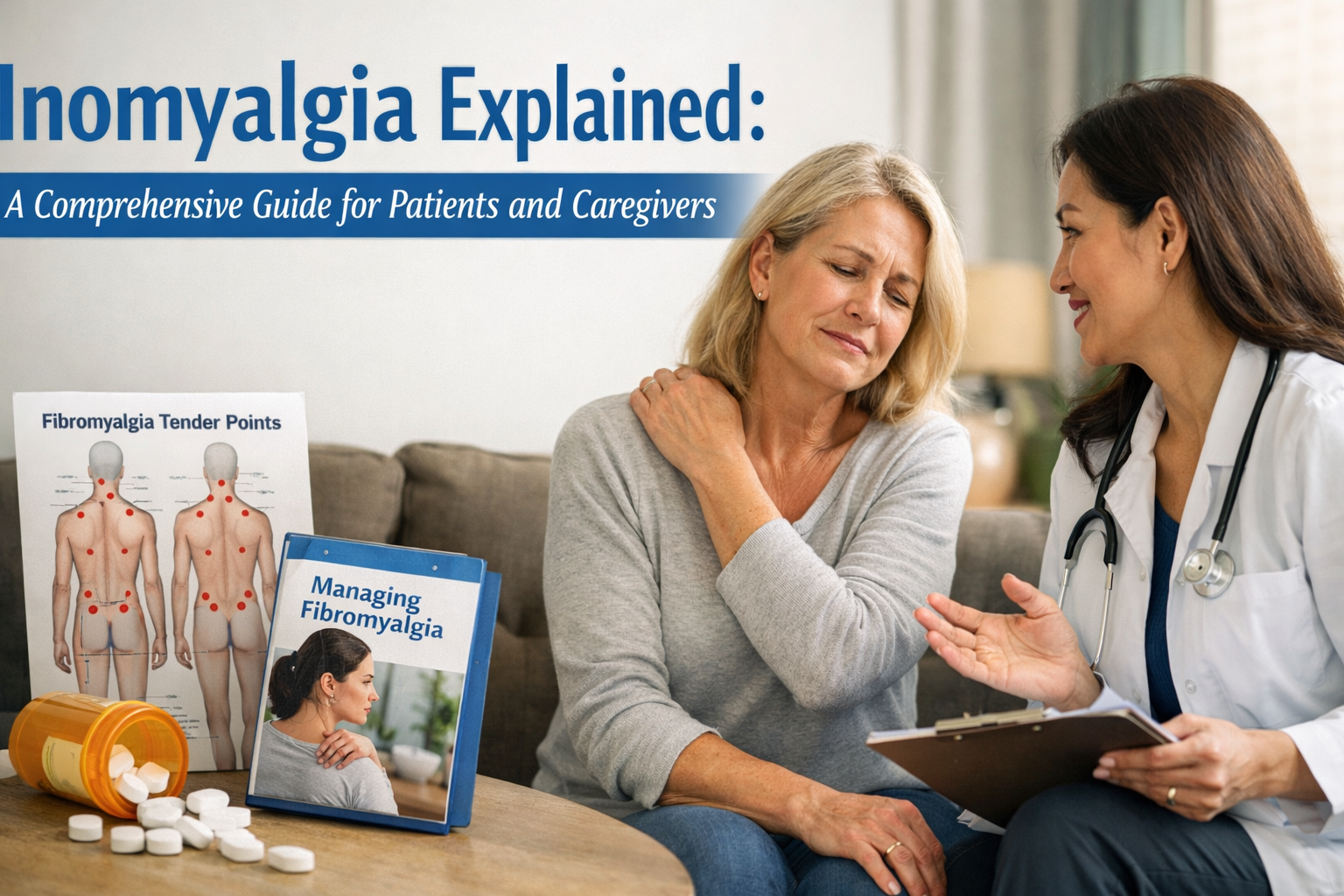
Inomyalgia is a condition that often flies under the radar, leaving many patients and caregivers searching for answers. Imagine waking up with persistent fatigue, muscle pain, and discomfort that just doesn’t seem to go away. For those living with inomyalgia, everyday tasks can feel daunting, making it essential to understand this complex disorder better.
Whether you’re navigating your own journey or supporting someone who is affected by inomyalgia, knowledge is power. This comprehensive guide will take you through everything you need to know—from symptoms and diagnosis to treatment options and self-care strategies. Let’s dive into the world of inomyalgia together and uncover ways to manage its impact on daily life.
Understanding Inomyalgia
Inomyalgia is a complex condition characterized by widespread muscle pain and discomfort. It often involves feelings of fatigue, sleep disturbances, and cognitive challenges known as “fibro fog.” Many individuals may find it difficult to pinpoint the exact cause of their symptoms.
This disorder can affect anyone, but it’s more common in women than men. The unpredictability of inomyalgia symptoms can make daily life challenging for those affected. Some people experience flare-ups triggered by stress or changes in weather, while others may have persistent symptoms.
Understanding inomyalgia is crucial for both patients and caregivers. By recognizing its impact on physical and emotional well-being, individuals can seek appropriate support and develop effective coping strategies tailored to their specific needs.
Symptoms of Inomyalgia
Inomyalgia manifests through a variety of symptoms that can greatly impact daily life. Patients often report persistent muscle pain, fatigue, and tenderness in specific areas of the body. This discomfort may fluctuate in intensity, making it challenging to predict how one will feel from day to day.
Aside from physical pain, many individuals experience cognitive difficulties commonly referred to as “fibro fog.” This can include memory issues and trouble concentrating. Sleep disturbances are also prevalent, leading to further fatigue and irritability.
Emotional symptoms like anxiety and depression may accompany the physical aspects of inomyalgia. The interplay between these factors creates a complex experience for those affected, highlighting the importance of understanding this condition fully.
Diagnosis and Differentiation
Diagnosing inomyalgia can be challenging due to its overlapping symptoms with other conditions. Healthcare providers typically begin by reviewing the patient’s medical history and conducting a thorough physical examination. This process helps rule out other potential causes of pain and discomfort.
To differentiate inomyalgia from similar disorders, specific tests may be necessary. Blood tests, imaging studies, or even referrals to specialists might be employed to ensure an accurate diagnosis. It’s crucial for patients to communicate their symptoms clearly during consultations.
Additionally, some healthcare professionals use criteria established by health organizations for diagnosing inomyalgia. These guidelines help create a more standardized approach, ensuring that those affected receive appropriate care tailored to their needs.
Causes of Inomyalgia
The exact causes of inomyalgia remain unclear, but several factors may contribute to its development. Genetic predisposition could play a role, as some individuals might inherit a susceptibility to this condition from their family history.
Environmental triggers are also thought to be significant. Stressful life events, infections, and physical trauma have been linked to the onset of symptoms. These elements can potentially disrupt normal physiological processes.
Additionally, hormonal imbalances and immune system dysfunctions may impact how the body responds to pain and fatigue. This complex interplay between various factors makes understanding inomyalgia challenging yet crucial for effective management strategies.
Treatment Options and Management
Treatment options for Inomyalgia often focus on relieving symptoms and improving quality of life. Medications such as pain relievers, anti-inflammatory drugs, or muscle relaxants can provide significant relief. Some patients may benefit from antidepressants, which can help alleviate chronic pain.
Physical therapy plays a vital role in managing Inomyalgia. Tailored exercise programs enhance flexibility and strength while reducing discomfort. Gentle activities like yoga or swimming are also effective.
Complementary therapies, including acupuncture and massage, have gained popularity among patients seeking holistic approaches. Mindfulness practices such as meditation can reduce stress levels, further alleviating symptoms associated with this condition.
Self-Care Strategies for Inomyalgia Relief
Managing inomyalgia often requires a holistic approach. Engaging in gentle exercises like stretching, yoga, or swimming can enhance flexibility and reduce pain. Regular movement helps release endorphins, which act as natural pain relievers.
Nutrition also plays a vital role. A balanced diet rich in anti-inflammatory foods—think fruits, vegetables, whole grains, and lean proteins—can support overall well-being. Hydration is essential as well; drinking plenty of water aids bodily functions and reduces muscle stiffness.
Mindfulness practices such as meditation or deep breathing techniques can help alleviate stress related to inomyalgia. Taking time for self-care activities you enjoy can boost your mood and provide emotional relief from the challenges of managing this condition.
Is Inomyalgia a Serious Condition?
Inomyalgia can be a challenging condition for many patients. While it may not pose an immediate life-threatening risk, its impact on daily functioning is significant. Chronic pain and fatigue often accompany this disorder, affecting both physical and mental well-being.
For some individuals, the symptoms of Inomyalgia can lead to complications such as depression or anxiety. These emotional challenges further complicate the management of the condition and hinder overall quality of life.
Awareness about Inomyalgia is essential for understanding its seriousness. Patients should not feel alone in their struggle; support from caregivers and health professionals plays a crucial role in managing this complex condition effectively.
Frequently Asked Questions (FAQs)
Many people wonder if inomyalgia is hereditary. While genetics might play a role, environmental factors and lifestyle choices also significantly affect its development.
Another common question pertains to the duration of symptoms. Inomyalgia can vary greatly among individuals; some may experience intermittent flare-ups, while others face chronic discomfort.
Patients often ask about dietary considerations as well. A balanced diet rich in anti-inflammatory foods can help manage symptoms effectively. Staying hydrated and maintaining a healthy weight are also beneficial for overall well-being with this condition.
Conclusion
Understanding Inomyalgia is key for both patients and caregivers. This condition can be complex, but with the right knowledge, management becomes more feasible. Recognizing symptoms early allows for timely diagnosis and treatment, which can significantly improve quality of life.
Navigating this journey may seem daunting, but countless resources are available to help you along the way. From professional medical support to self-care strategies, each step taken toward understanding inomyalgia contributes to better outcomes.
As awareness grows around this condition, so does hope for effective treatments and relief options. Remember that you are not alone in this experience; many individuals face similar challenges and find ways to cope successfully. Stay informed and proactive as you seek out solutions tailored to your specific needs.