 By Admin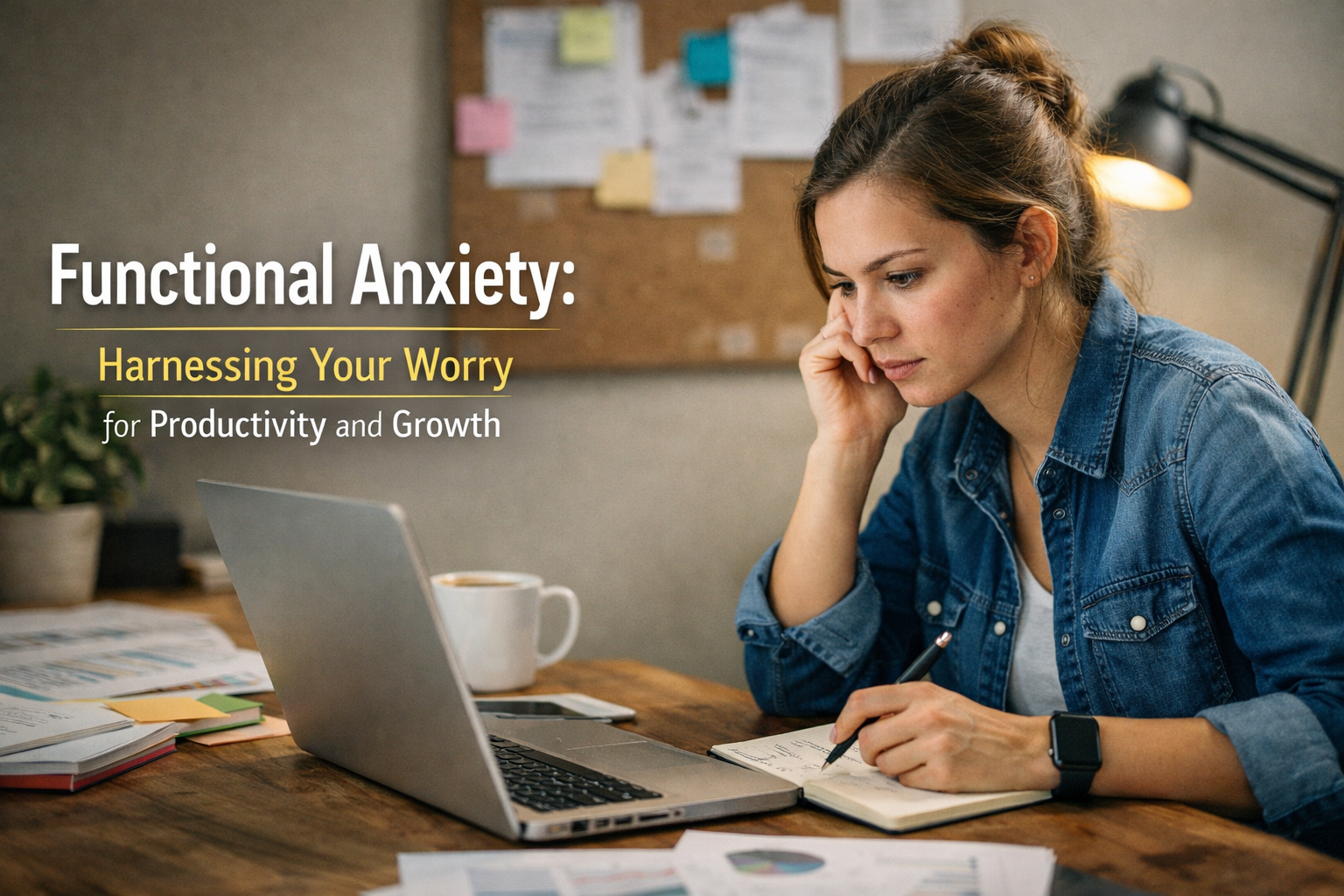
Are you the type of person who feels a surge of energy when faced with deadlines? Do your worries sometimes push you to achieve more, even if they leave you feeling anxious? You might be experiencing functional anxiety—a unique blend of stress and productivity. It can feel like a double-edged sword: while it drives us forward, it can also weigh heavily on our minds. Understanding this phenomenon is essential for anyone looking to balance their ambitions without losing sight of their mental well-being. Let’s dive into the nuances of functional anxiety and discover how to turn worry into an asset for personal growth and achievement.
Understanding Functional Anxiety
Functional anxiety is a state where worry and stress enhance productivity instead of hindering it. Unlike debilitating anxiety, this form can motivate individuals to meet deadlines, prepare for presentations, or tackle challenging tasks. It often manifests as a heightened sense of urgency that drives people to excel.
However, the fine line between productive worry and overwhelming anxiety can blur easily. Those experiencing functional anxiety may find themselves caught in a cycle of constant pressure and self-doubt. Understanding its nuances helps us appreciate both its potential benefits and the importance of recognizing when it becomes detrimental to our mental health.
What is Functional Anxiety?
Functional anxiety refers to a heightened state of worry that can actually propel individuals toward action. Unlike crippling anxiety, it often coexists with productivity and may motivate people to meet deadlines, achieve goals, or excel in their responsibilities.
For many, functional anxiety serves as a driving force rather than a debilitating condition. It can manifest in various situations—whether preparing for an important presentation or tackling daily challenges—where the pressure helps sharpen focus and enhance performance. This unique aspect of anxiety allows individuals to utilize their worries constructively while navigating life’s demands effectively.
Signs of Functional Anxiety
Functional anxiety often manifests in subtle ways. You might notice an increased sense of restlessness or a constant need to stay busy. This can lead to overthinking tasks and worrying excessively about outcomes, even when they seem manageable.
Physical symptoms are also common, such as tightness in the chest or a racing heartbeat. These signs may not disrupt your daily life but can create an underlying tension that affects overall well-being. Recognizing these indicators is essential for understanding how functional anxiety operates within you.
Impact of Functional Anxiety on Mental Health
Functional anxiety can create a complex relationship with mental health. While it drives individuals to meet deadlines and pursue goals, the constant state of worry often leads to burnout and emotional exhaustion. This paradox can leave you feeling trapped between productivity and overwhelming stress.
Over time, functional anxiety may contribute to more serious mental health issues such as chronic anxiety disorders or depression. The weight of persistent worries can hinder your ability to enjoy life fully, making it crucial to recognize how this form of anxiety affects overall well-being. Finding balance is essential for sustaining both productivity and mental peace.
Recognizing Functional Anxiety
Recognizing functional anxiety can be challenging, as it often masquerades as motivation. Individuals may appear driven and focused, yet internally they are plagued by constant worry and self-doubt. This duality makes it difficult to pinpoint when productivity stems from genuine ambition or anxious energy.
Outwardly, those experiencing functional anxiety might excel in their tasks while feeling a nagging sense of unease. They often push themselves relentlessly but struggle with feelings of inadequacy. Understanding these traits is crucial for addressing the underlying issues that fuel this complex experience.
Outward Traits of Functional Anxiety
Individuals exhibiting functional anxiety often display specific outward traits. They may appear highly organized, always planning ahead or preparing for potential challenges. This meticulousness can lead to a polished exterior that masks their internal struggles.
Additionally, these individuals might engage in excessive multitasking or seem overly busy. Their drive to succeed and stay productive can be evident through constant activity and a tendency to take on more than they can handle. While this may seem admirable at first glance, it’s essential to recognize the underlying anxiety powering these behaviors.
Inner Experiences of Functional Anxiety
Inside the mind of someone with functional anxiety, racing thoughts can often feel overwhelming. You might experience a constant state of worry, as if your brain is in overdrive. This mental chatter can lead to feelings of restlessness and an inability to focus on tasks at hand.
Amidst this chaos, there’s an underlying drive that pushes you forward. It fuels your ambition and propels you toward goals. Yet, this energy can be exhausting when not managed properly. Balancing productivity with mental clarity becomes essential for navigating these intense inner experiences effectively.
Emotional Toll of Functional Anxiety
Functional anxiety can take a heavy emotional toll on individuals. While it may drive productivity, the persistent worry often leads to feelings of overwhelm and exhaustion. Juggling tasks while battling anxiety can create an internal conflict that diminishes joy in accomplishments.
People experiencing functional anxiety might find themselves caught in cycles of self-doubt and frustration. The pressure to maintain performance levels adds weight to their emotional state, making it challenging to celebrate successes or enjoy downtime. Recognizing these feelings is crucial for understanding how functional anxiety affects overall well-being.
Managing Functional Anxiety
Managing functional anxiety involves a mix of practical strategies and self-awareness. Start by identifying triggers that cause your worries. Keeping a journal can help clarify these thoughts, allowing you to address them more effectively.
Incorporating mindfulness techniques is also beneficial. Deep breathing exercises or short meditations can ground you during anxious moments. Regular physical activity boosts endorphins and reduces tension too. Remember, it’s important to be patient with yourself as you explore what tactics work best for your unique situation.
Strategies to Relieve Functional Anxiety
Finding effective strategies to relieve functional anxiety can make a significant difference in your daily life. Start by incorporating mindfulness practices, such as meditation and deep breathing exercises. These techniques help ground you in the present moment, reducing overwhelming feelings.
Additionally, establish a routine that includes physical activity. Exercise releases endorphins and improves mood while offering an outlet for pent-up energy. Don’t hesitate to explore hobbies or creative pursuits that captivate your interest; they can serve as powerful distractions from anxious thoughts and foster a sense of accomplishment.
Seeking Help for Functional Anxiety
Seeking help for functional anxiety is a brave step towards better mental health. Many people find it beneficial to talk with a therapist or counselor who specializes in anxiety disorders. These professionals can offer tailored strategies and coping mechanisms to manage your feelings effectively.
Support groups can also be invaluable, providing an understanding community where you can share experiences and learn from others. Remember, reaching out isn’t a sign of weakness; it’s an essential part of transforming your relationship with anxiety into something positive and constructive.
Thriving with Functional Anxiety
Functional anxiety can be a powerful motivator. Instead of being paralyzed by worry, use it to fuel your ambition. Channeling that energy into your projects can lead to remarkable outcomes. When you recognize those anxious feelings as opportunities for action, everything shifts.
Embrace the challenges that functional anxiety presents. Each moment of stress can reveal areas for personal growth and skill development. By facing these anxieties head-on, you cultivate resilience and adaptability—traits that will serve you well in both personal and professional realms.
Harnessing Functional Anxiety for Productivity
Functional anxiety can be a powerful tool for productivity when channeled effectively. It often fuels motivation, pushing you to meet deadlines and achieve your goals. This heightened state of alertness sharpens focus, enabling you to tackle tasks with greater intensity and determination.
To harness this energy, set clear objectives that align with your anxious feelings. Break tasks into smaller steps to avoid feeling overwhelmed. Utilize techniques like time-blocking or the Pomodoro method to maintain momentum without burning out. Embracing functional anxiety as an ally rather than an enemy transforms pressure into productive outcomes in both work and personal life.
Growth Opportunities within Functional Anxiety
Functional anxiety can serve as a catalyst for personal growth. It pushes individuals to confront their fears, leading to new insights about themselves and their capabilities. Instead of being paralyzed by worry, those experiencing functional anxiety often channel that energy into setting goals and taking action.
Embracing this type of anxiety opens doors to self-improvement. By recognizing patterns in thoughts and behaviors, individuals can develop resilience. Each challenge faced becomes an opportunity for learning, paving the way for greater confidence and skills in managing future obstacles effectively.
Conclusion
Understanding and managing functional anxiety can lead to positive changes in your life. It’s a complex experience, but recognizing its traits helps you navigate it effectively. By employing strategies for relief and seeking support when needed, you can transform worry into productivity.
Embracing functional anxiety opens doors to personal growth that may have previously seemed out of reach. With the right mindset, what once felt overwhelming can become a powerful catalyst for success. Embrace this journey of self-discovery and transformation as you harness the potential within your worries.